Hurricane Season Water Damage Checklist for Naples Homes and Condos
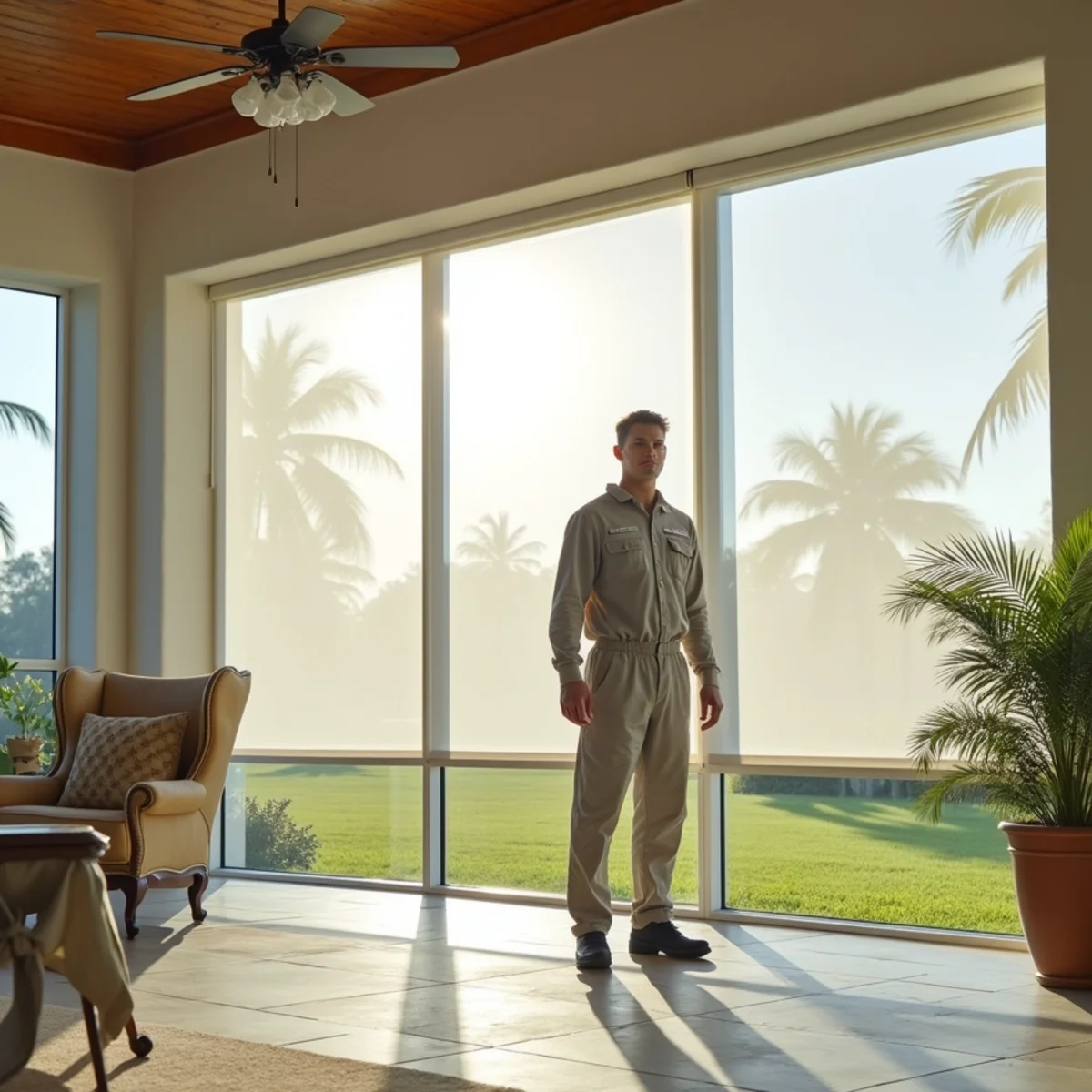
Naples Hurricane Water Checklist: Direct Preparedness & Recovery Answer

Surviving a Southwest Florida hurricane without catastrophic water damage requires structured pre-landfall barrier deployment (deploying shutters, taping sliding track weepholes, securing lanai furniture) followed by immediate post-storm envelope inspections (checking roof flashing, window sills, and subfloor moisture). In coastal Collier County, hurricanes drive horizontal wind-driven rain through stucco cracks at 120+ mph and push Gulf storm surge inland across barrier islands.
Because municipal electrical power from Florida Power & Light (FPL) is routinely knocked out for 5 to 14 days after a major tropical cyclone, securing priority deployment with a commercial restoration provider equipped with self-contained mobile generators is critical to halt microbial mold growth.
Pre-Landfall Phase: 72 to 24 Hours Before Storm Impact
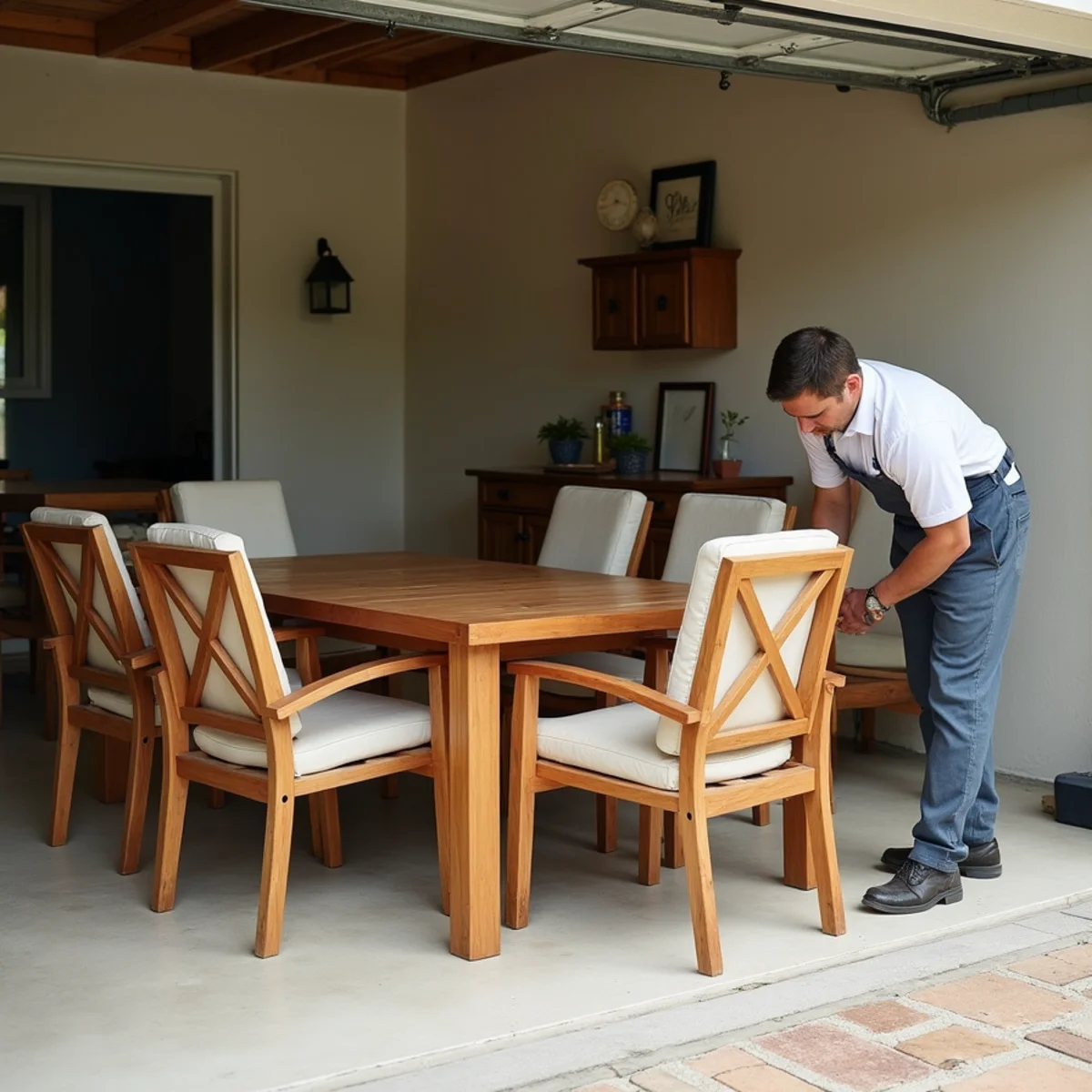
As tropical storm or hurricane watches are issued for Collier and Lee counties, property owners should execute these physical defenses:
1. Deploy Wind Barriers & Shutters: Fasten accordion shutters, roll-downs, or storm fabric panels. Ensure locking pins engage fully; rattling shutters can bend and allow driving rain to force past glass frames.
2. Secure Lanai Furniture & Decor: Move all patio tables, chairs, potted plants, and outdoor kitchens inside garages or living spaces. High winds turn loose lanai furniture into missiles that puncture impact glass.
3. Seal Sliding Glass Door Tracks: Wind-driven rain overwhelms exterior track weep holes. Fold heavy beach towels along interior sliding door tracks and tape plastic sheeting across bottom frames to create temporary dikes.
4. Protect Critical Records: Place insurance policies, property deeds, birth certificates, and hard drives in waterproof cases stored at least 4 feet off finished floors.
Need Immediate Emergency Extraction in Naples?
Standing water damages drywall and fosters mold in 24 to 48 hours. Speak to a live restoration coordinator right now.
Crews on standby across Naples, Marco Island & Bonita Springs
Hurricane Building Envelope Vulnerability & Inspection Matrix
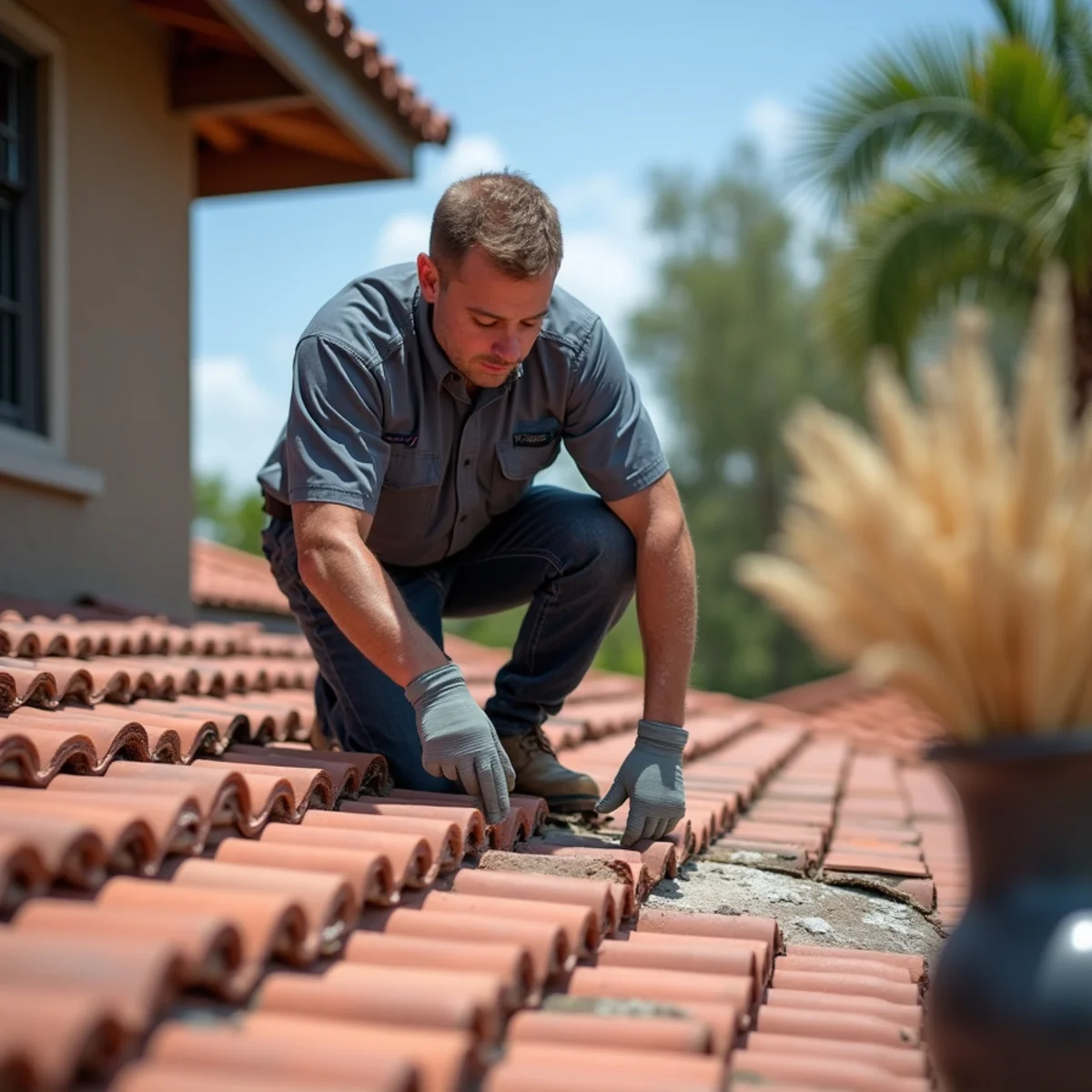
Understanding where tropical cyclones breach Southwest Florida homes enables targeted pre-storm prep and post-storm discovery:
| Building Component | Primary Vulnerability | Pre-Storm Defense Action | Post-Storm Inspection Target |
|---|---|---|---|
| Spanish Barrel Tile Roof | Wind uplift displacing ridgeline tiles & underlayment | Pre-season roof inspection and mortar repair | Attic decking moisture stains & daylight penetration |
| Sliding Glass Lanai Doors | Horizontal rain overpowering weep-hole drainage | Clear debris from exterior drainage weep slots | Buckled luxury vinyl tile or saturated baseboards |
| Exterior Stucco Walls | Wind-driven moisture penetrating hairline stucco cracks | Elastomeric paint sealing and masonry caulk | Cool moisture signatures detected via thermal imaging |
| Soffit Vents & Fascia | High-pressure wind forcing rain into attic insulation | Verify soffit panels are securely fastened with screws | Ceiling discoloration and saturated blown-in fiberglass |
| Overhead Garage Doors | Pressure blow-in or bottom seal storm surge entry | Install vertical wind-load reinforcement posts | Sediment lines, warped garage drywall, and motor failure |
During the Storm: Interior Containment Protocols
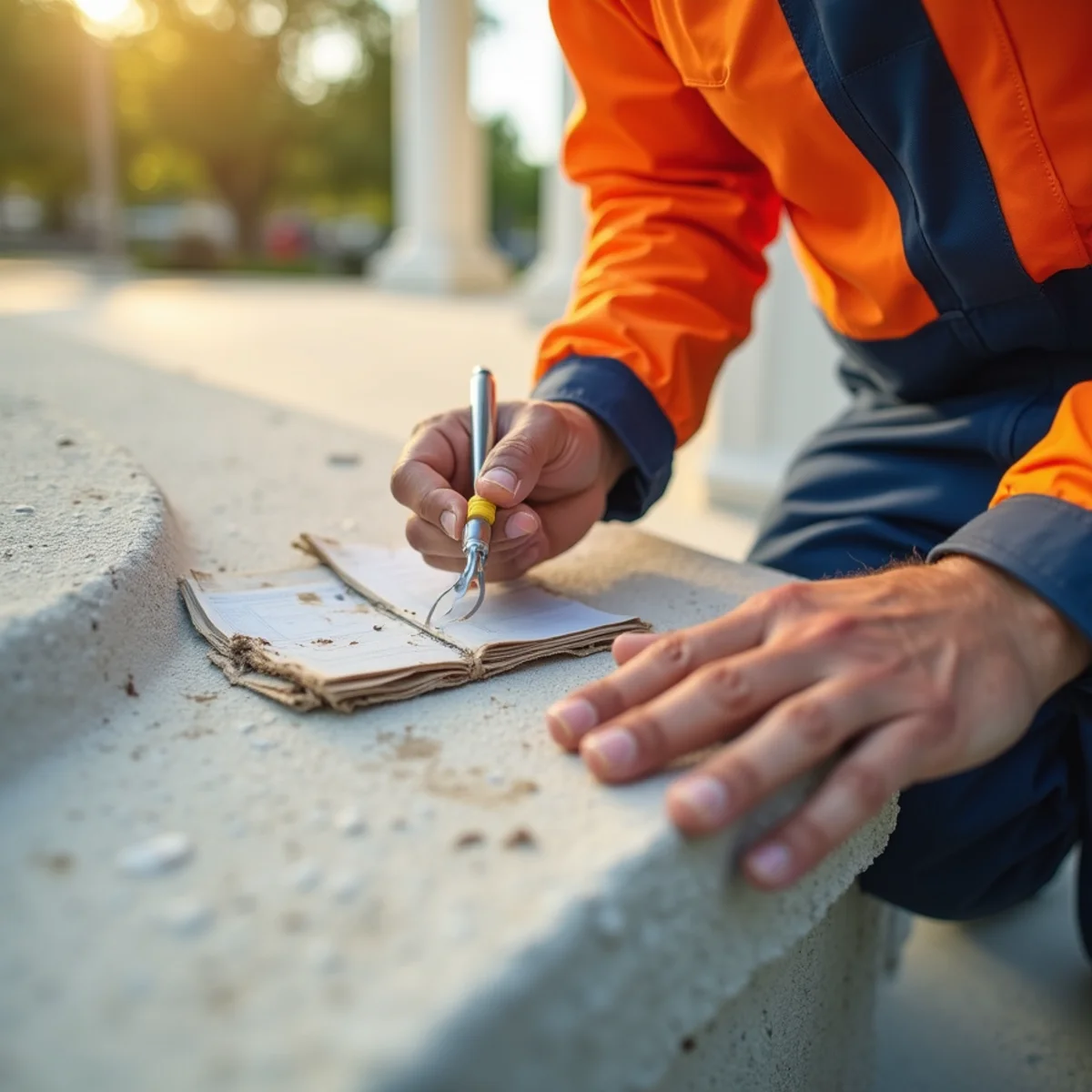
While hurricane-force winds buffet Collier County, remain in an interior, windowless safe room (such as a central bathroom, hallway, or walk-in closet).
If water begins penetrating around window casings or under sliding doors, do not attempt to go outside or open exterior doors to adjust shutters. Place towels and plastic containers beneath drips. If ceiling drywall sags under water weight, gently puncture the lowest point with a screwdriver into a bucket to prevent a catastrophic sheetrock collapse.
Post-Landfall Recovery: The Critical First 24 Hours
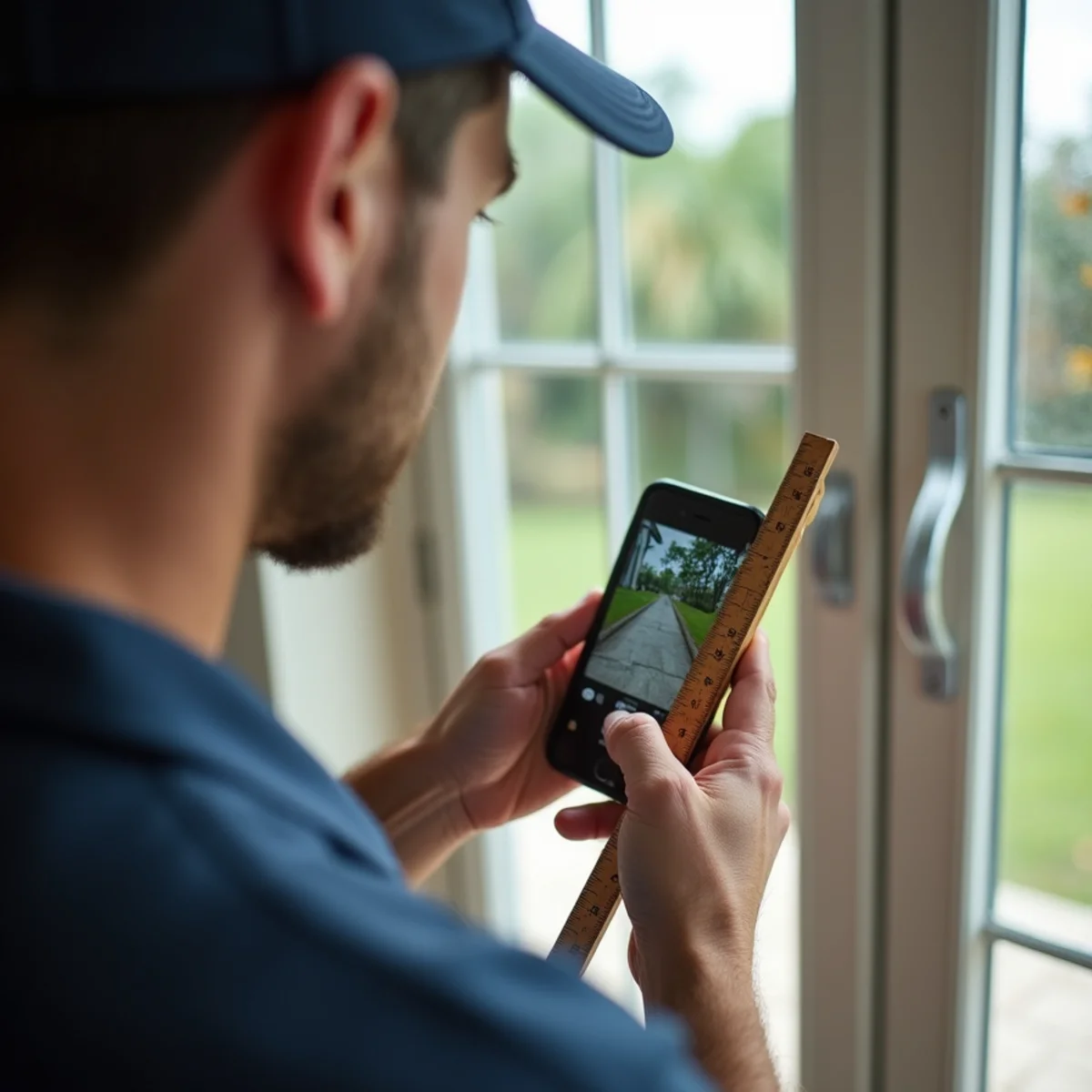
Once the Collier County Emergency Management Office issues an all-clear and storm surge waters recede, begin systematic recovery:
1. Inspect for Electrical & Structural Hazards: Never step into standing water if electrical outlets or appliances are submerged. Verify the main breaker is switched off before wading through water.
2. Photograph Every Angle for NFIP and Homeowners Claims: Take dozens of date-stamped wide-angle and close-up photographs showing the high-water line on baseboards, damaged drywall, warped flooring, and broken roof tiles before removing any debris.
3. Place Your Emergency Dispatch Call: Call Ultra Mold & Water Pros at (831) 303-1192 immediately. Post-hurricane restoration demand is intense across Southwest Florida; placing your claim in our queue guarantees priority equipment mobilization.
Recommended Restoration Services & Coverage Zones
Related solutions referenced in this guide:
Questions Answered in this Guide
Quick reference summary for homeowners and property managers.
Restoration crews cannot drive on roads during active hurricane-force winds or curfew orders. However, call dispatch as soon as you discover damage so your property is placed at the top of our mobilization schedule the moment winds drop below 40 mph and roads reopen.
Have a question specific to your property? Call our 24/7 restoration helpline: (831) 303-1192
Questions about your restoration project?
Send us a message or call our 24/7 emergency dispatch line directly. For the fastest help, call (831) 303-1192.