Does Homeowners Insurance Cover Water Damage in Florida? Deadlines, Limits and Exclusions
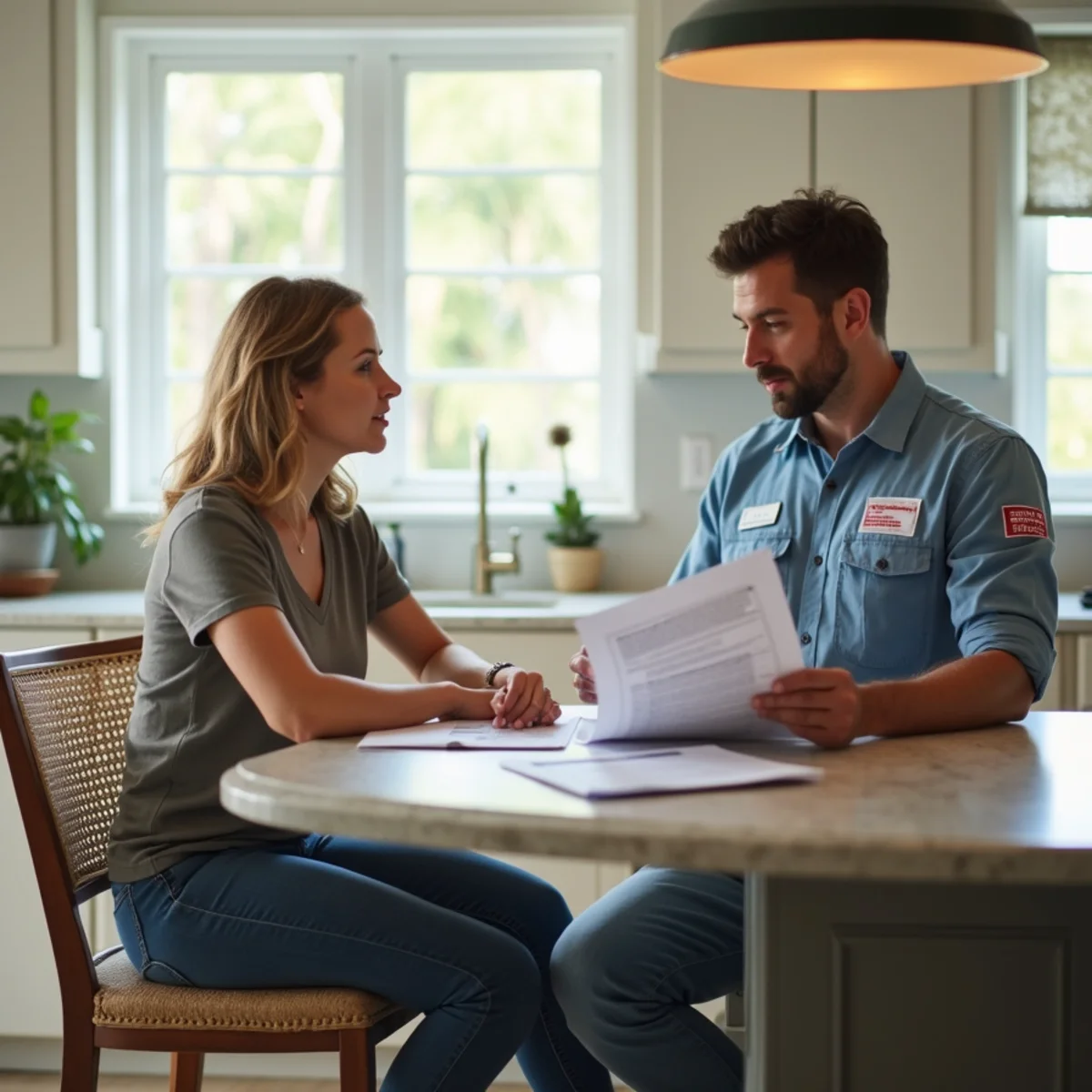
Does Homeowners Insurance Cover Water Damage in Florida? Direct Answer
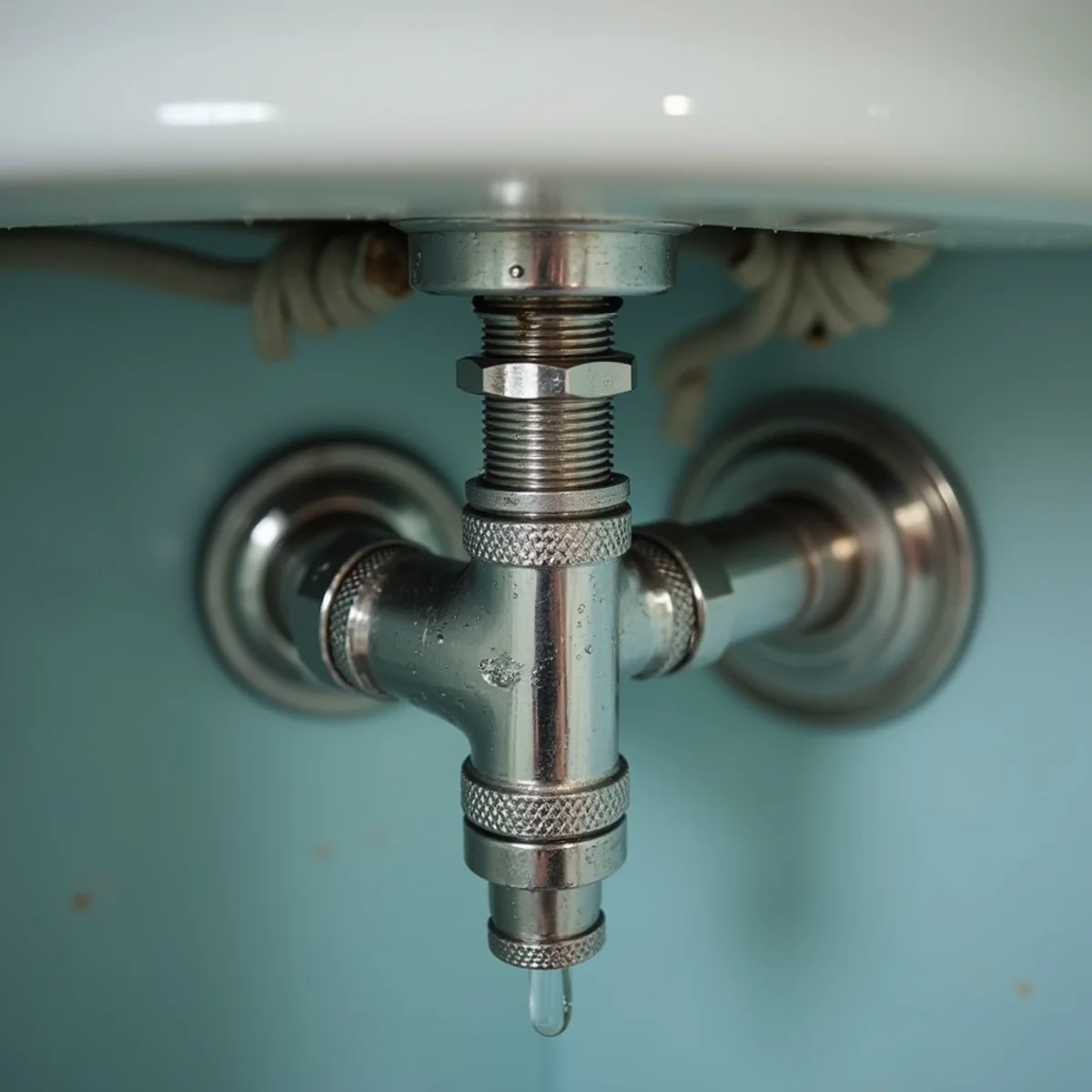
Standard Florida homeowners insurance (HO-3 and condo HO-6) covers sudden and accidental internal water damage—such as burst supply lines, water heater ruptures, and appliance overflows—subject to your deductible and strict 1-year reporting deadlines. However, Florida policies exclude gradual seepage occurring over 14 or more days, and completely exclude exterior floodwater or hurricane storm surge unless you carry separate NFIP flood insurance.
Because Florida property insurance laws underwent significant legislative overhauls following Senate Bill 2-A, property owners in Collier and Lee counties must understand how cause-of-loss documentation directly dictates claim approval or denial.
Sudden and Accidental vs. Gradual Leaks: What Florida Policies Cover

The legal dividing line in Florida property claims is whether moisture penetration was sudden or continuous. Covered sudden events include high-pressure copper pinhole bursts, toilet tank fractures, ruptured washing machine hoses, and sudden water heater weld failures.
In contrast, insurance companies frequently issue reservation of rights letters or outright denials for gradual leaks. If a shower pan membrane has leaked imperceptibly for six months, causing rotted floor joists and dark mold behind tile, adjusters invoke the 'constant or repeated seepage or leakage' exclusion (typically barring coverage for water escaping over 14 days or longer).
This makes immediate moisture mapping and date-stamped thermal imaging critical during the initial inspection. Certified restorers prove the acute nature of the loss before insurance adjusters arrive on site.
Need Immediate Emergency Extraction in Naples?
Standing water damages drywall and fosters mold in 24 to 48 hours. Speak to a live restoration coordinator right now.
Crews on standby across Naples, Marco Island & Bonita Springs
Florida Water Damage Coverage & Policy Limits Matrix
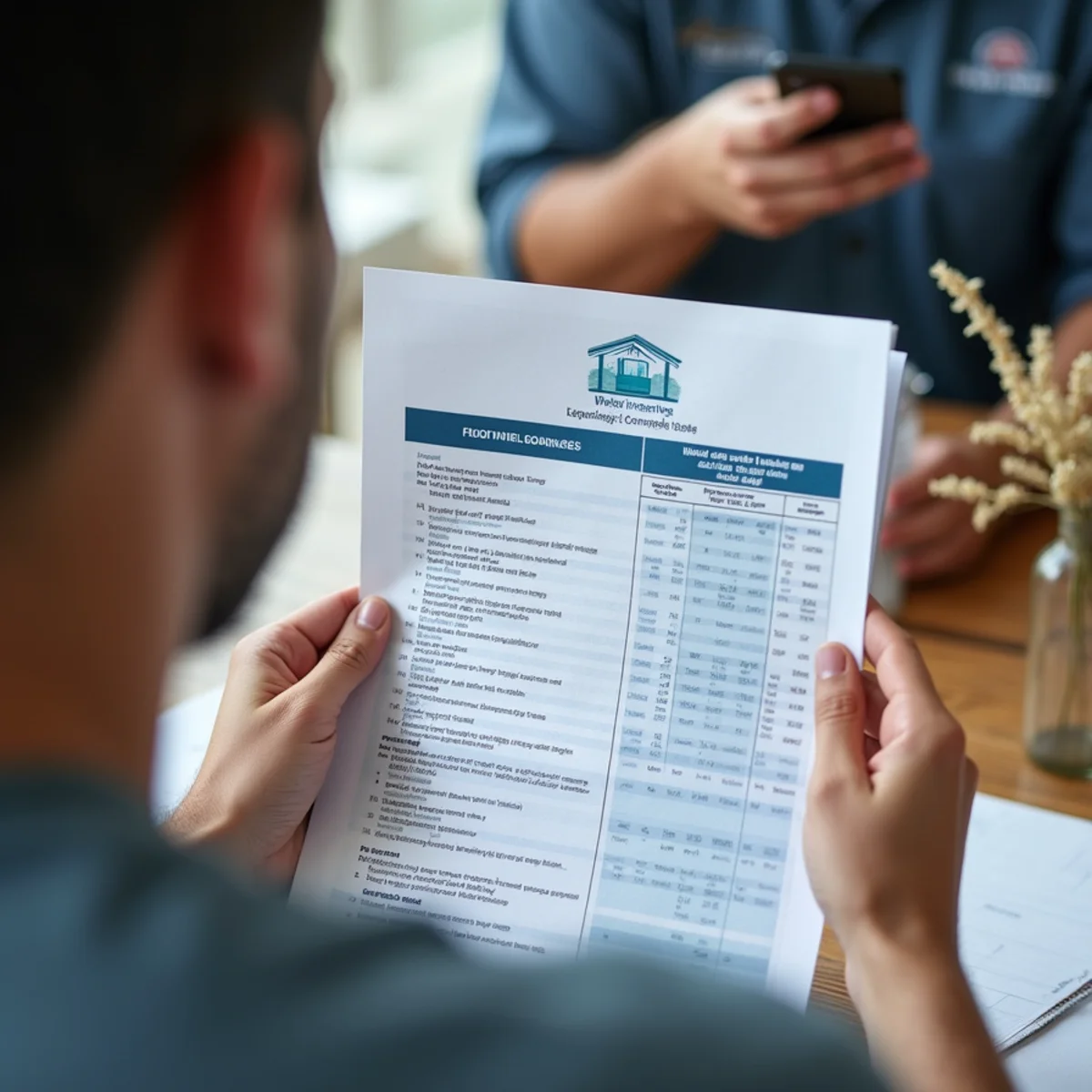
Florida policyholders navigate multiple insurance categories depending on the water source and property structure:
| Water Loss Category | Governing Policy | Typical Florida Coverage / Sublimit | Required Claim Documentation |
|---|---|---|---|
| Burst Pipe or Appliance Rupture | Homeowners (HO-3) / Condo (HO-6) | Full Policy Dwelling Limit (Coverage A) minus deductible | Physical failed pipe fitting, initial moisture logs |
| AC Condensate Drain Overflow | Homeowners (HO-3) | Subject to sudden leak terms ($10k cap on some policies) | HVAC float switch photos, drain line clear status |
| Hurricane Wind-Driven Rain | Homeowners (HO-3) | Covered ONLY if wind first breaches roof or window | Exterior impact photos, roof shingle displacement evidence |
| Storm Surge or Tidal Inundation | NFIP or Private Flood Policy | $250k Building / $100k Contents (NFIP cap) | FEMA flood proof of loss, water line elevation measurements |
| Secondary Mold Growth | Endorsement / Sublimit | $10,000 statutory limit unless extended rider purchased | Pre-remediation protocol by independent mold assessor |
Critical Florida Statutory Deadlines: The 1-Year Filing Rule (SB 2-A)
Under Florida Senate Bill 2-A (codified in Florida Statute § 627.70132), policyholders face strict statutory timelines to protect their rights:
1. Initial Notice of Claim: Must be formally reported to your insurer within **one year (365 days) from the date of loss**.
2. Supplemental or Reopened Claims: Must be submitted within **18 months** from the date of loss.
Failing to report a claim within this window permanently extinguishes your right to seek insurance benefits, regardless of how severe the structural damage may be.
The Elimination of Assignment of Benefits (AOB) in Florida
Effective January 1, 2023, Florida law completely eliminated Assignment of Benefits (AOB) for residential property insurance. Historically, contractors had homeowners sign an AOB transferring their insurance rights to the contractor, allowing the vendor to sue insurers directly.
Today, reputable restoration contractors like Ultra Mold & Water Pros work directly for the property owner under a transparent Emergency Services Agreement (ESA). We prepare detailed Xactimate line-item estimates, psychrometric drying reports, and photo logs that you provide directly to your adjuster for streamlined claim payout.
Mold Coverage Sublimits & Florida Department of Financial Services Protections
Because Southwest Florida's humid climate fosters rapid fungal reproduction, most Florida domestic insurers cap mold remediation coverage at $10,000. This $10,000 sublimit covers mold testing, containment barriers, HEPA filtration, and structural antimicrobial wipe-down.
However, structural drying performed under emergency water mitigation (IICRC S500) is billed under Coverage A (Dwelling) rather than the mold sublimit. Taking aggressive drying measures within the first 24 to 48 hours eliminates the need for expensive mold remediation that exhausts your policy sublimit.
Recommended Restoration Services & Coverage Zones
Related solutions referenced in this guide:
Questions Answered in this Guide
Quick reference summary for homeowners and property managers.
Most Florida policies include a strict mold sublimit—usually capped at $10,000—and coverage only applies if the mold resulted directly from a covered sudden and accidental water peril that occurred during the active policy term.
Have a question specific to your property? Call our 24/7 restoration helpline: (831) 303-1192
Questions about your restoration project?
Send us a message or call our 24/7 emergency dispatch line directly. For the fastest help, call (831) 303-1192.