Sewage Backup in Naples Homes: Health Risks, Containment & Sanitization
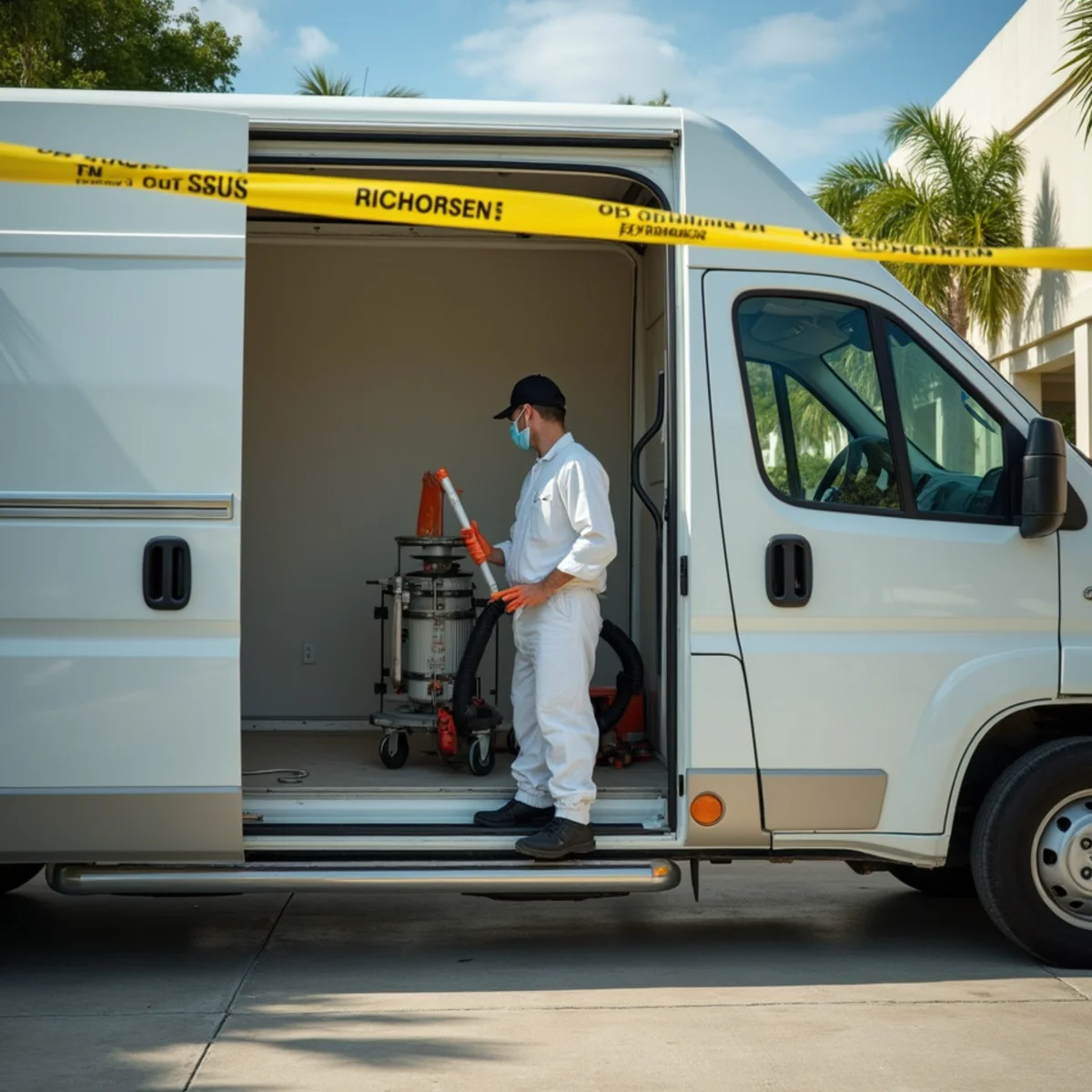
Sewage Backups in Naples: Direct Health Risk & Sanitization Answer
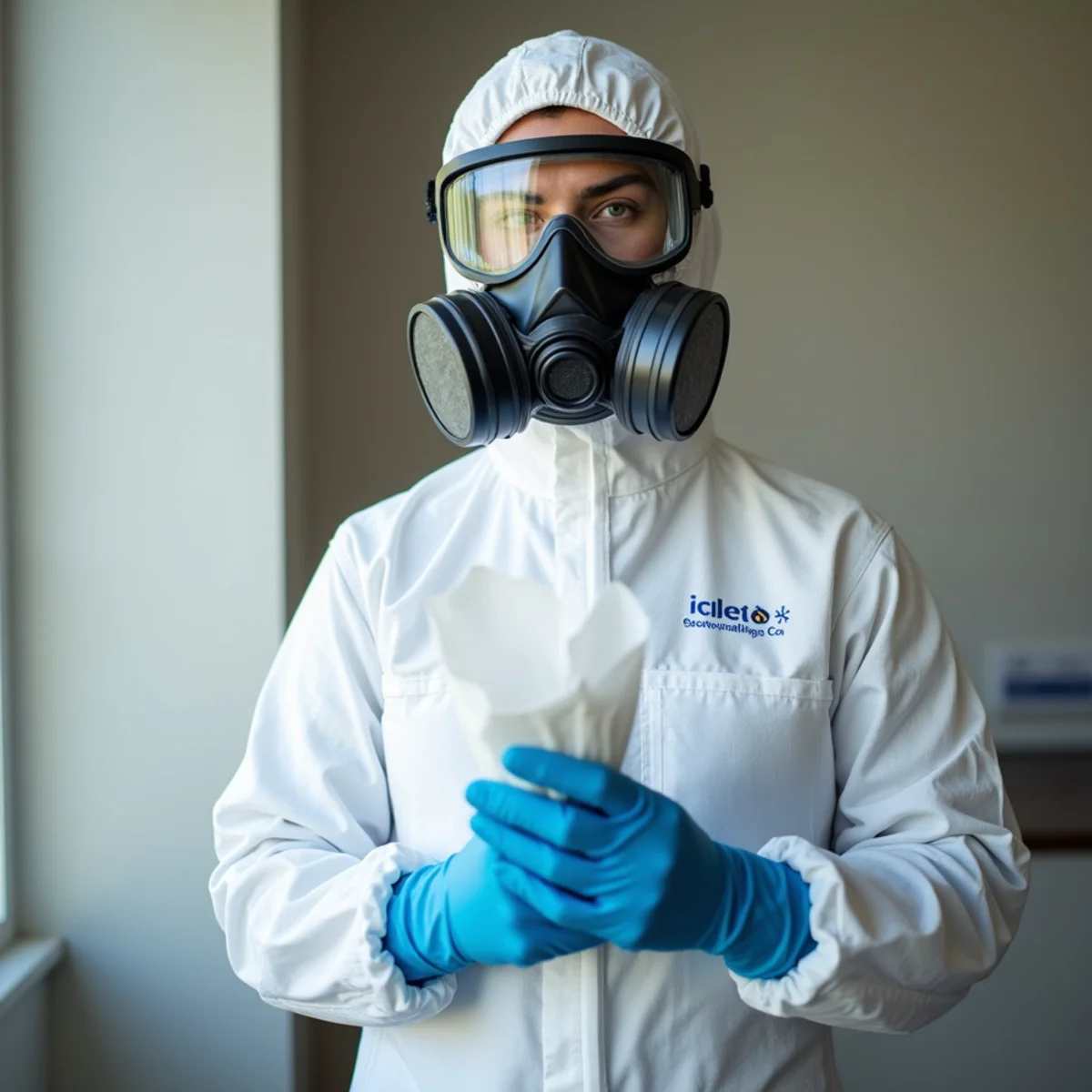
Raw domestic sewage backing up into a Naples home is a critical biohazard emergency classified under IICRC S500 as Category 3 black water containing millions of dangerous pathogens—including E. coli, Salmonella, Norovirus, and Hepatitis A. Never attempt to clean a sewage spill with domestic mops or consumer disinfectants, as wiping aerosolizes endotoxins into your breathing zone.
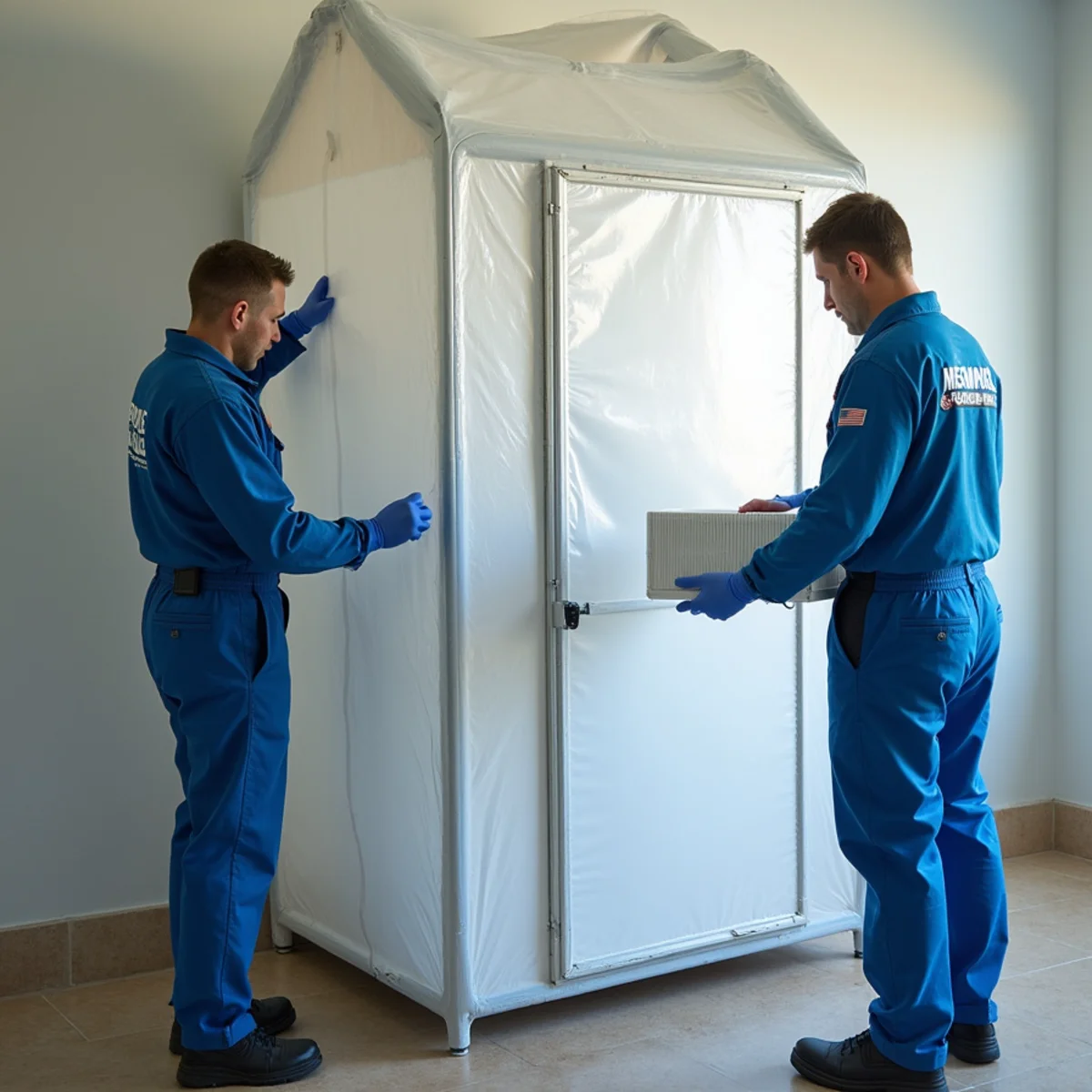
Safe mitigation requires immediate evacuation of the affected zone, establishment of full 6-mil plastic containment barriers under negative HEPA air pressure, surgical demolition of all contaminated porous materials (carpet padding, drywall), and multi-stage hospital-grade antimicrobial disinfection.
The Microbiology of Black Water (Pathogens, Endotoxins & Parasites)
Municipal wastewater and septic tank overflows harbor complex biological ecosystems. In Collier County, where high groundwater tables and aging sewer lift stations frequently experience storm-related surcharges, sewage backups present immediate medical hazards.
Every milliliter of raw wastewater contains over one million viable bacterial colonies. In addition to common enteric bacteria like Escherichia coli and Enterococcus, sewage contains parasitic protozoans such as Cryptosporidium and Giardia lamblia, which form protective cyst shells resistant to common grocery-store bleach.
Need Immediate Emergency Extraction in Naples?
Standing water damages drywall and fosters mold in 24 to 48 hours. Speak to a live restoration coordinator right now.
Crews on standby across Naples, Marco Island & Bonita Springs
Sewage Pathogen Exposure & Decontamination Protocol Matrix
Restoration specialists categorize wastewater hazards by biological vector and structural survivability:
| Biological Pathogen / Vector | Transmission Route & Health Threat | Porous Finish Vulnerability | Clinical Decontamination Protocol |
|---|---|---|---|
| Escherichia coli (E. coli) | Ingestion / contact; causes severe gastroenteritis | Deep penetration into carpet padding & tack strips | Demolition & EPA hospital-grade quaternary biocide |
| Hepatitis A Virus | Oral-fecal route; triggers acute liver inflammation | Absorbed into unsealed concrete & drywall gypsum | Biohazard containment & broad-spectrum virucidal fog |
| Salmonella enterica | Contact with contaminated surfaces; high fever & cramps | Colonizes organic baseboards & particleboard vanity bases | Physical removal & thermal antimicrobial extraction |
| Cryptosporidium Oocysts | Ingestion; chlorine-resistant waterborne parasite | Embedded in grout lines & subfloor expansion joints | Surfactant scrubbing & mechanical HEPA extraction |
| Endotoxins (Gram-negative) | Inhalation of airborne cell fragments; lung toxicity | Suspended in indoor air throughout HVAC return | HEPA 500 air scrubbing under continuous negative pressure |
Why Porous Materials Cannot Be Sanitized in Place
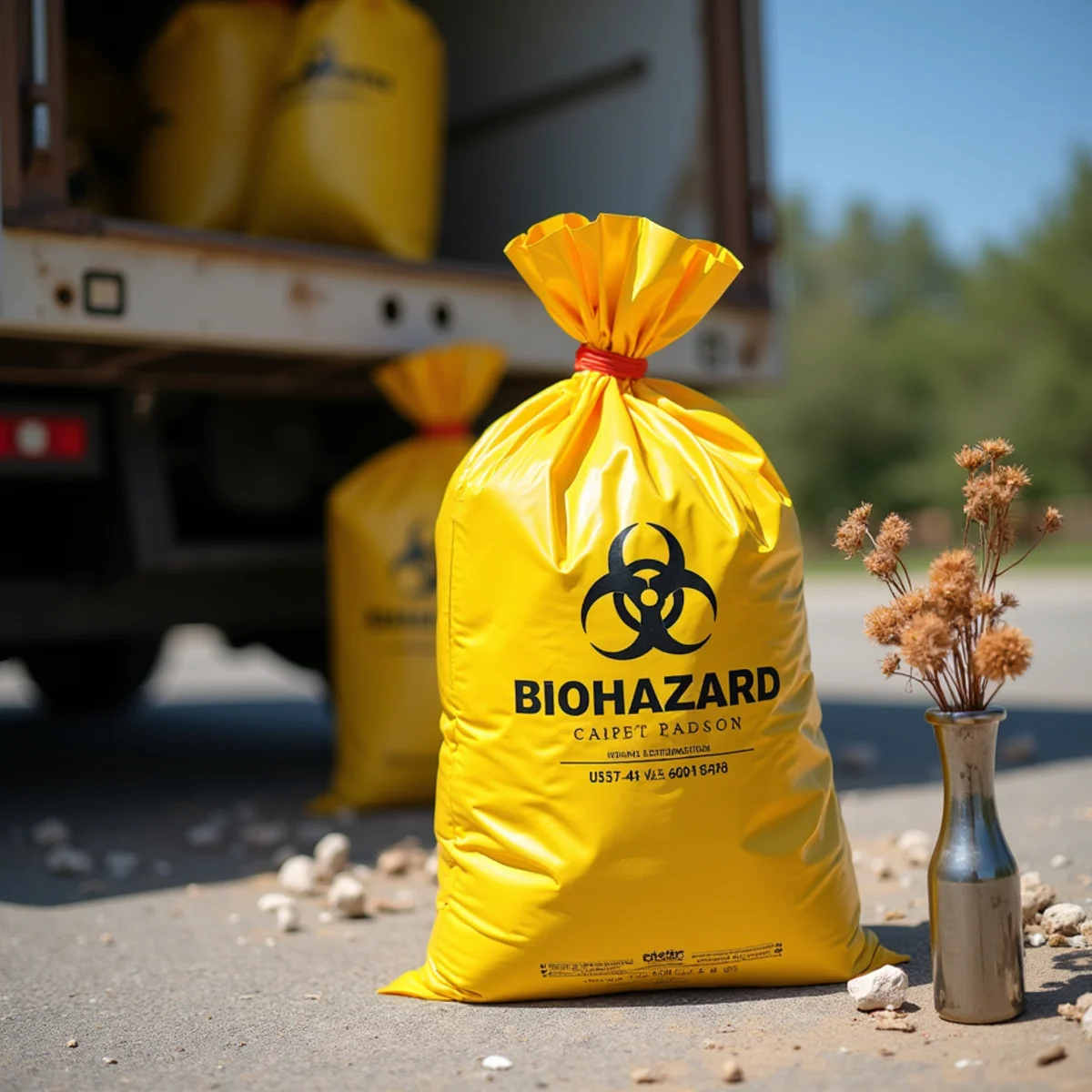
Under ANSI/IICRC S500 standards, all porous and semi-porous building materials that come into direct contact with Category 3 black water must be excised and discarded as biohazardous waste.
Porous materials—such as carpet padding, wall-to-wall carpeting, upholstered furniture, fiberglass insulation, and drywall—contain internal voids where bacteria and parasitic cysts lodge. Liquid disinfectants cannot reliably penetrate these dense matrixes to achieve 100% kill rates. Leaving contaminated carpet or drywall in place creates an active biohazard reservoir that releases mycotoxins and offensive odors for months.
Hospital-Grade Antimicrobial Chemistry: Quats vs. Phenolics
Restoration teams do not use consumer bleach. We deploy EPA-registered, hospital-grade broad-spectrum antimicrobial agents specifically approved for Category 3 decontamination.
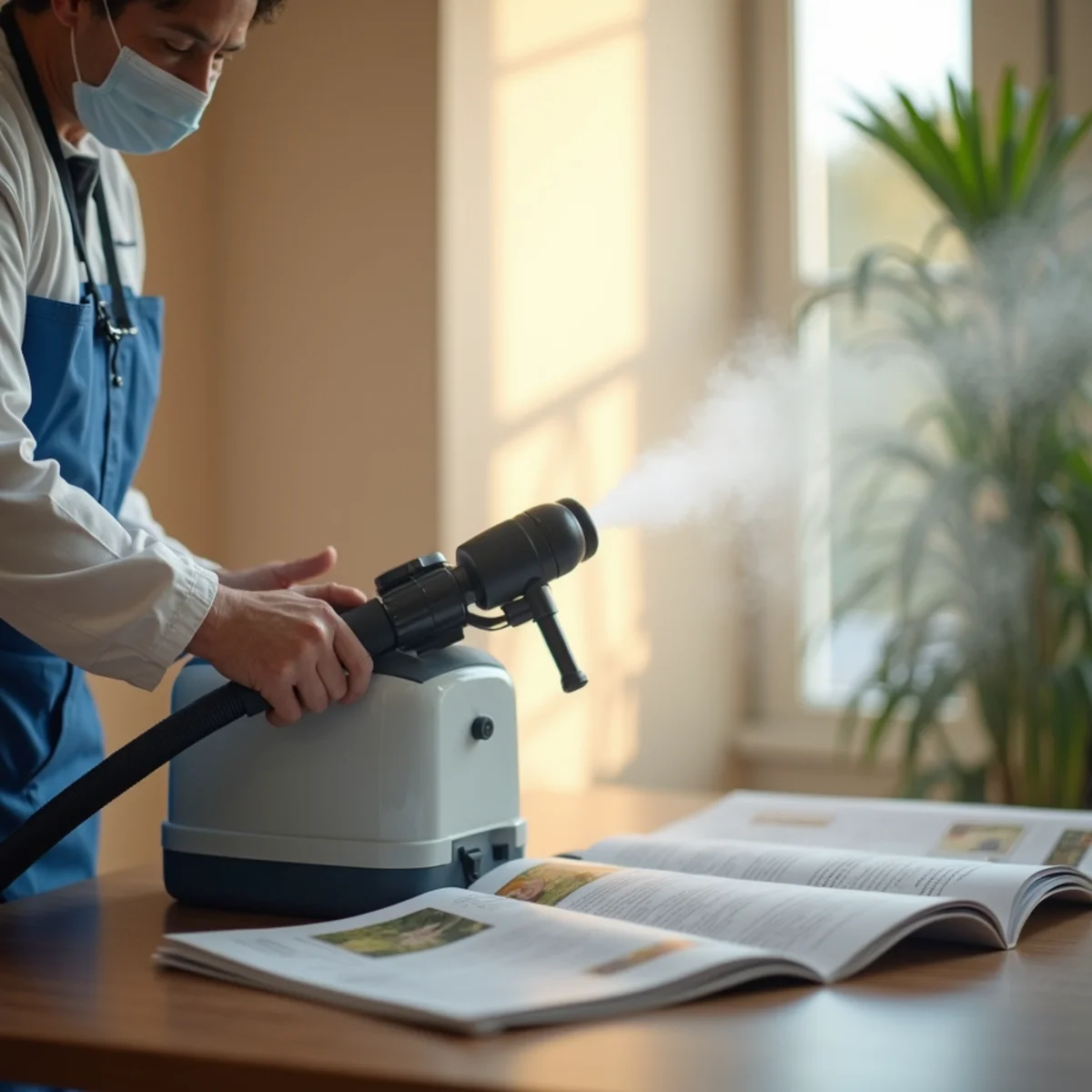
Our technicians utilize dual-quaternary ammonium compounds and botanical thymol formulations that attack the lipid membranes of viruses and dissolve bacterial cell walls on contact. Following physical muck-out, disinfectants are applied with calibrated ULV (ultra-low volume) cold foggers and electrostatic sprayers to achieve complete 360-degree coverage across exposed concrete slabs and wood studs.
Florida Insurance Coverage Rules: The Water Backup Endorsement
A crucial insurance reality for Florida property owners is that standard homeowners policies (HO-3) routinely exclude water and sewage backing up through municipal sewers or septic tanks.
Coverage for sewage backups requires a specific, optional 'Water Backup and Sump Discharge or Overflow' endorsement. This endorsement typically provides between $5,000 and $25,000 in dedicated coverage for extraction, biohazard sanitization, and structural rebuild. Ultra Mold & Water Pros provides detailed line-item Xactimate estimates specifically formatted for sewage endorsement claims.
Recommended Restoration Services & Coverage Zones
Related solutions referenced in this guide:
Questions Answered in this Guide
Quick reference summary for homeowners and property managers.
No. Standard IICRC S500 guidelines strictly mandate that all porous carpeting, padding, and area rugs contaminated by Category 3 black water must be bagged and disposed of as biohazardous waste. Sanitizing porous padding in place is medically impossible.
Have a question specific to your property? Call our 24/7 restoration helpline: (831) 303-1192
Questions about your restoration project?
Send us a message or call our 24/7 emergency dispatch line directly. For the fastest help, call (831) 303-1192.