Storm Surge Cleanup in Collier County: Saltwater, Drywall and What Can Be Saved

Storm Surge Cleanup in Collier County: Direct Engineering Answer
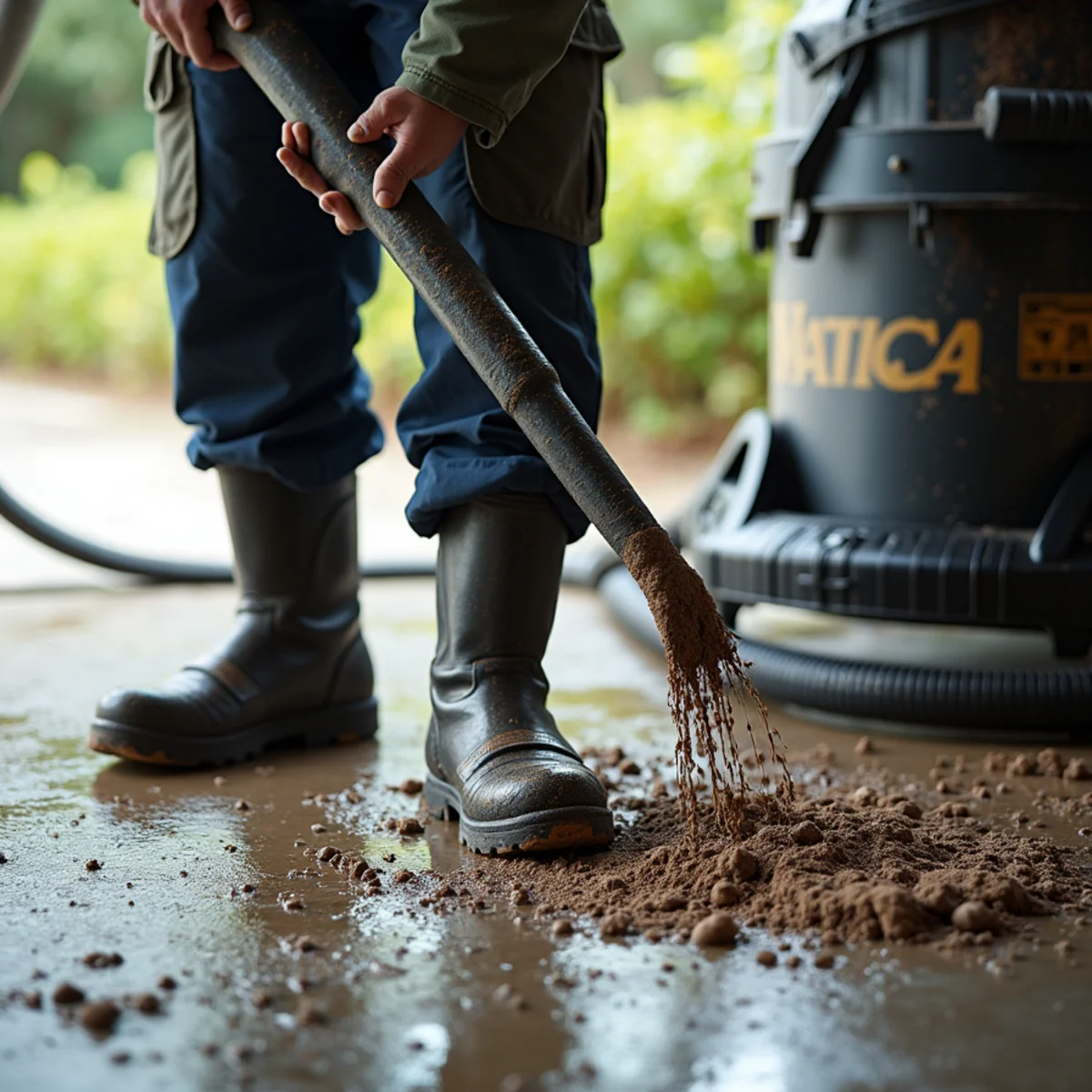
Gulf storm surge in Collier County is classified under IICRC S500 as Category 3 black water carrying dangerous pathogens, street chemicals, sewage, and corrosive sodium chloride. Restoring a surge-damaged home in Old Naples, Aqualane Shores, or Marco Island requires a strict 5-stage engineering protocol: mechanical silt muck-out, 24-inch drywall flood cuts, freshwater salt-neutralization flushing, EPA biocide sanitization, and industrial desiccant dehumidification.
Treating saltwater inundation like standard rainwater leads to permanent structural failure: residual salt embedded in concrete slabs continuously pulls moisture out of the air, rotting new floor adhesives and corroding electrical copper wiring for years.
Saltwater Storm Surge vs. Freshwater Flooding (IICRC Category 3)
Hurricane Ian in September 2022 and subsequent coastal storm events demonstrated the devastating difference between river flooding and oceanic storm surge along Southwest Florida's coastline.
Storm surge forces millions of gallons of seawater across barrier islands into residential living areas. Unlike a clean pipe burst, storm surge carries marine silt, motor oils, industrial pesticides, and sewage backflow from submerged Collier County lift stations. Saturated porous finishes cannot be sanitized in place.
All carpeting, laminate underlayment, fiberglass batt insulation, and drywall submerged in storm surge must be removed and discarded under biohazard containment protocols.
Need Immediate Emergency Extraction in Naples?
Standing water damages drywall and fosters mold in 24 to 48 hours. Speak to a live restoration coordinator right now.
Crews on standby across Naples, Marco Island & Bonita Springs
The 5-Stage Saltwater Desalination & Muck-Out Protocol
Restoring structural integrity after Gulf of Mexico storm surge follows a precise technical decontamination workflow:
| Decontamination Phase | Specialized Equipment / Agent | Mandatory Action | Structural Failure Prevented |
|---|---|---|---|
| 1. Heavy Muck-Out | Gas-powered trash pumps & squeegees | Extract corrosive silt, mud, and ocean debris | Floor load collapse & deep concrete chemical staining |
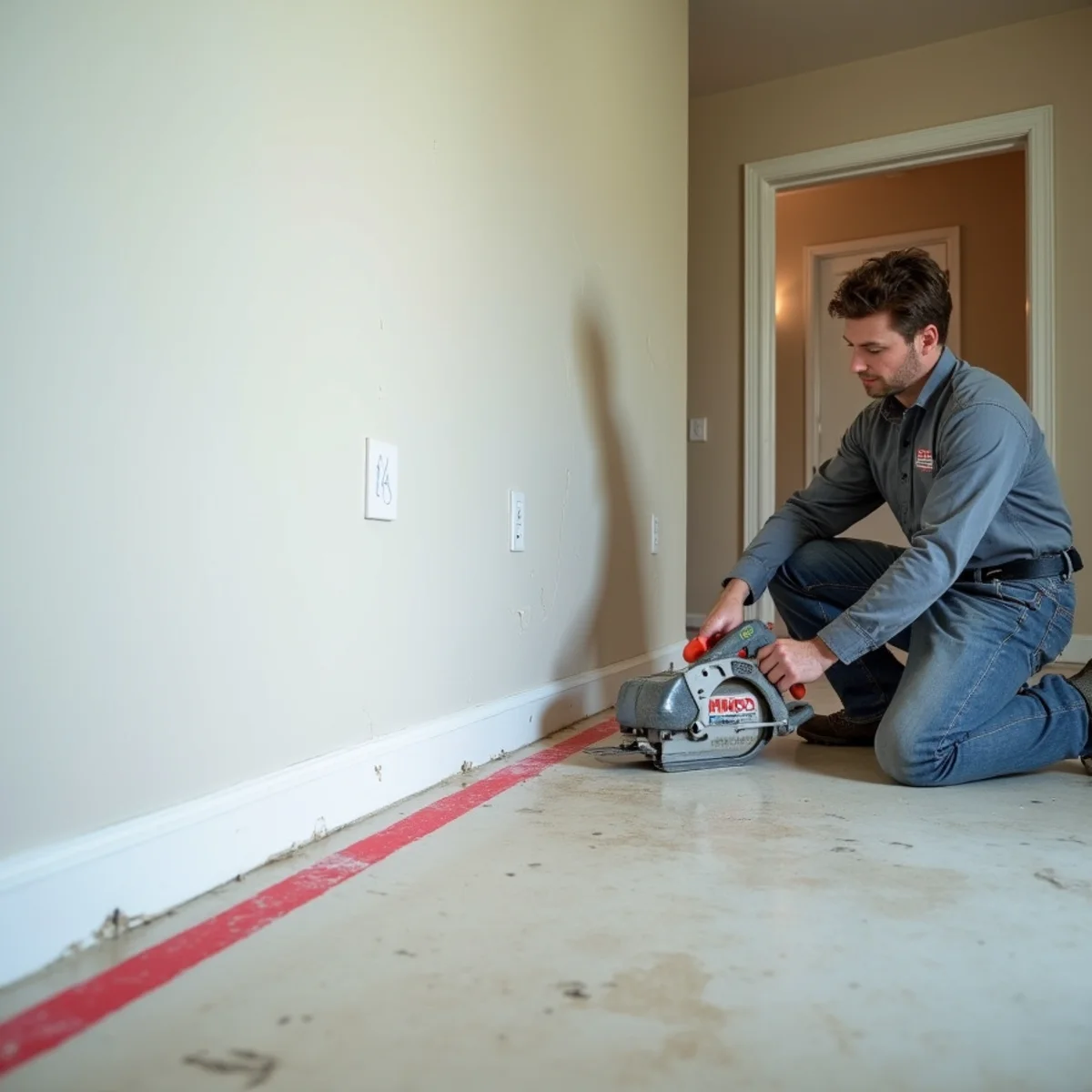
| 2. Drywall Flood Cuts | Laser level & oscillating saws | Cut drywall 12–24 inches above highest water line | Trapped cavity mold, stud rot, and wet insulation odor |
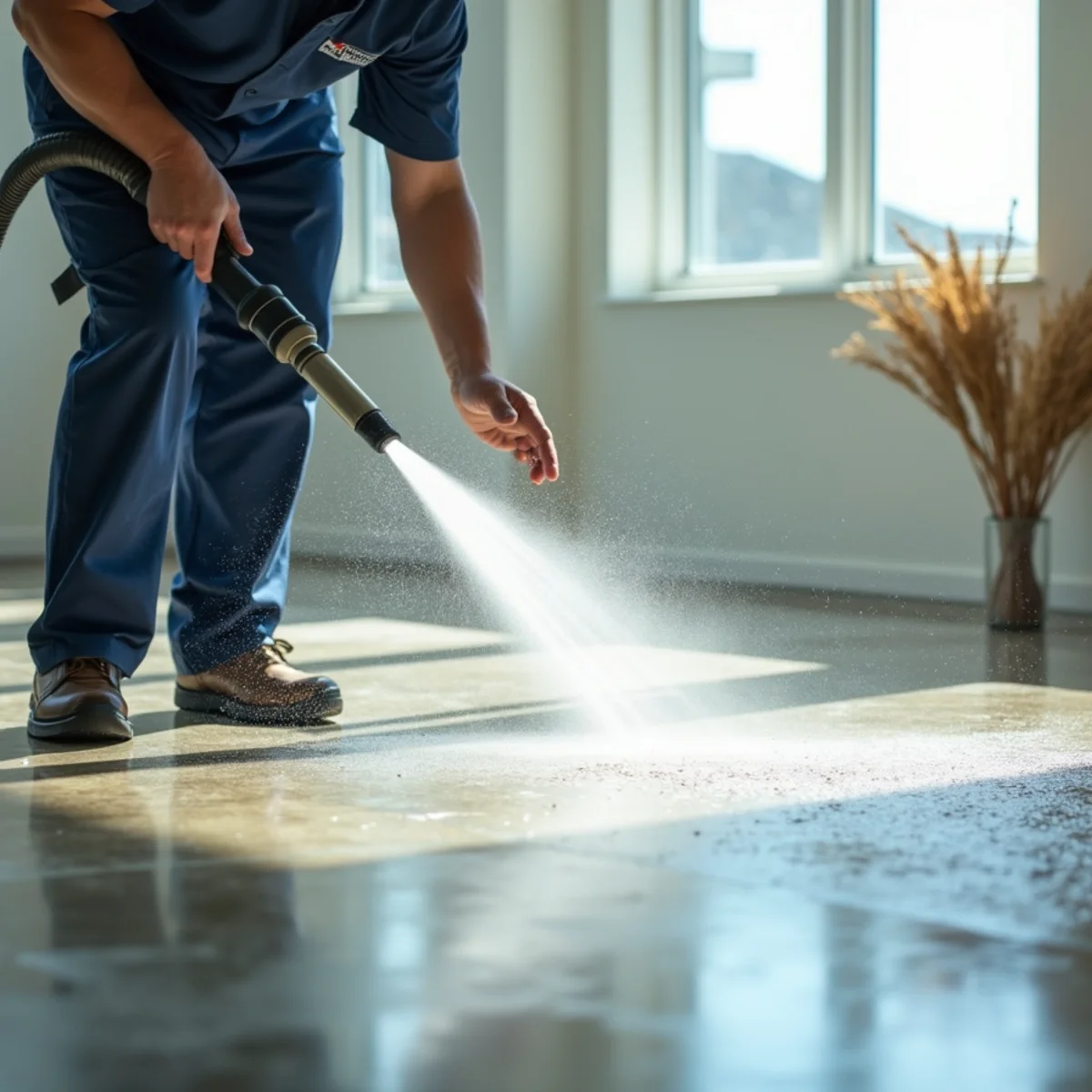
| 3. Freshwater Flush | Pressure wands with freshwater supply | Rinse framing studs to dissolve sodium chloride salts | Hygroscopic salt dampness and rusted fastener corrosion |
| 4. Microbial Biocide | EPA-registered hospital biocide foggers | Treat exposed framing with botanical virucide | Coliform bacteria, Vibrio vulnificus, and black mold |
| 5. Desiccant Drying | Industrial desiccant dehumidifiers | Depress vapor pressure below 30 GPP in closed tenting | Subfloor buckling and long-term concrete failure |
Why Drywall Flood Cuts Must Exceed the Waterline by 12 to 24 Inches
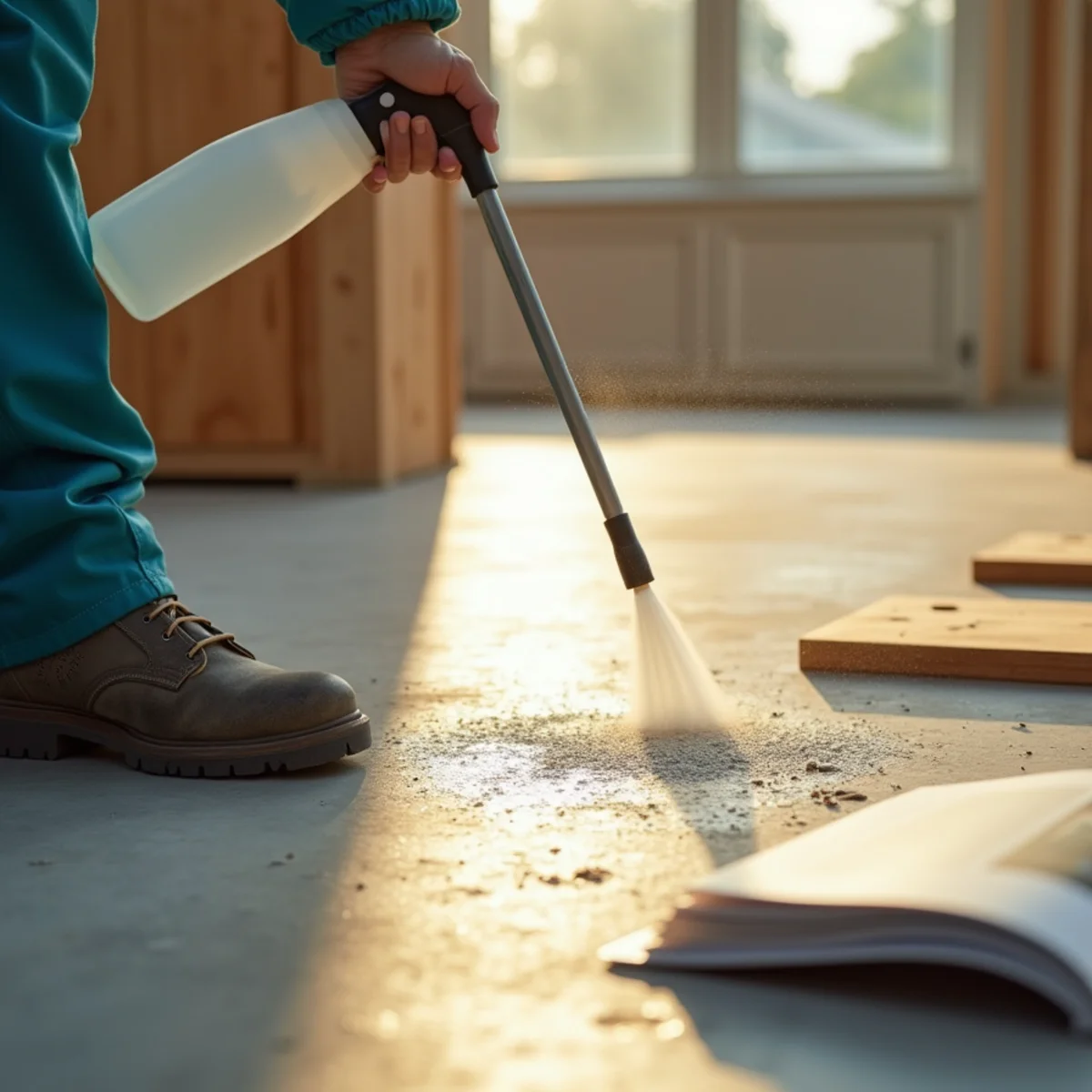
Homeowners often ask why restoration crews cut drywall two feet above the visible mud line. The answer lies in capillary action, commonly known as the 'wicking effect.'
Gypsum drywall contains a porous core sandwiched between paper facing. When exposed to standing water, drywall absorbs liquid vertically like a paper towel, wicking moisture 12 to 18 inches above the standing water mark within hours. Cutting exactly at the water line leaves saturated, bacteria-laden paper inside the wall, which produces hidden mold behind newly painted baseboards within weeks.
FEMA 50% Rule and NFIP Substantial Damage Regulations in Naples

In coastal Collier County and the City of Naples, properties located within Special Flood Hazard Areas (SFHA) are subject to FEMA's Substantial Damage Rule (the '50% Rule').
Under this building ordinance, if the total cost to restore a structure to its pre-damage condition equals or exceeds 50% of the building's market value (excluding the land value), the entire structure must be brought into compliance with current flood regulations—which typically requires elevating the entire home above the Base Flood Elevation (BFE).
Our technicians provide itemized, line-by-line Xactimate documentation separating emergency structural mitigation from reconstruction, ensuring your NFIP adjuster and local building officials receive precise accounting.
Recommended Restoration Services & Coverage Zones
Related solutions referenced in this guide:
Questions Answered in this Guide
Quick reference summary for homeowners and property managers.
Painting over flood-damaged drywall seals deadly coliform bacteria, ocean silt, and mold spores inside the wall cavity. The gypsum core softens, loses structural shear strength, and continues emitting volatile organic compounds into your living areas.
Have a question specific to your property? Call our 24/7 restoration helpline: (831) 303-1192
Questions about your restoration project?
Send us a message or call our 24/7 emergency dispatch line directly. For the fastest help, call (831) 303-1192.